1928–2006
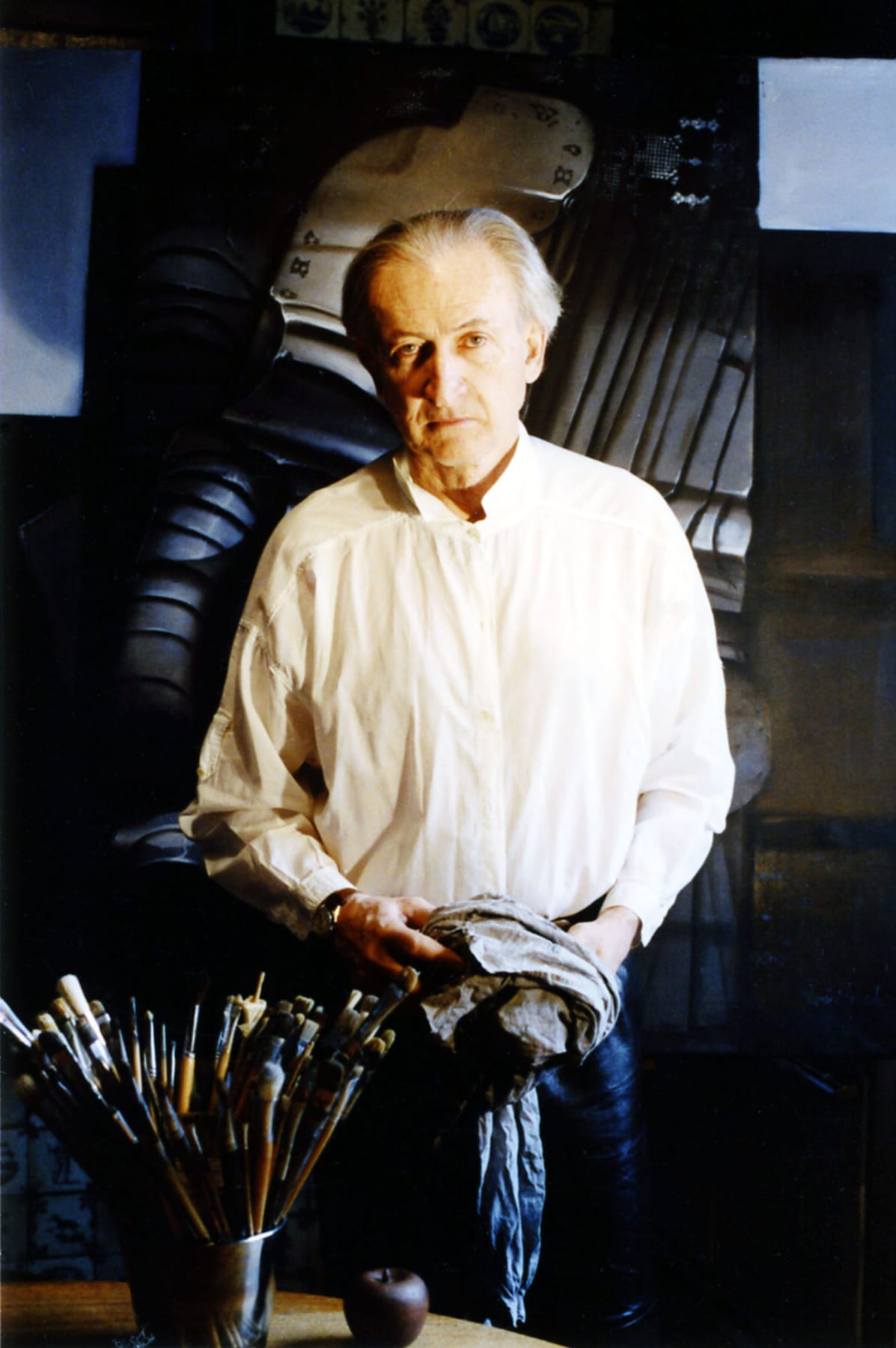
Agustín Fernández
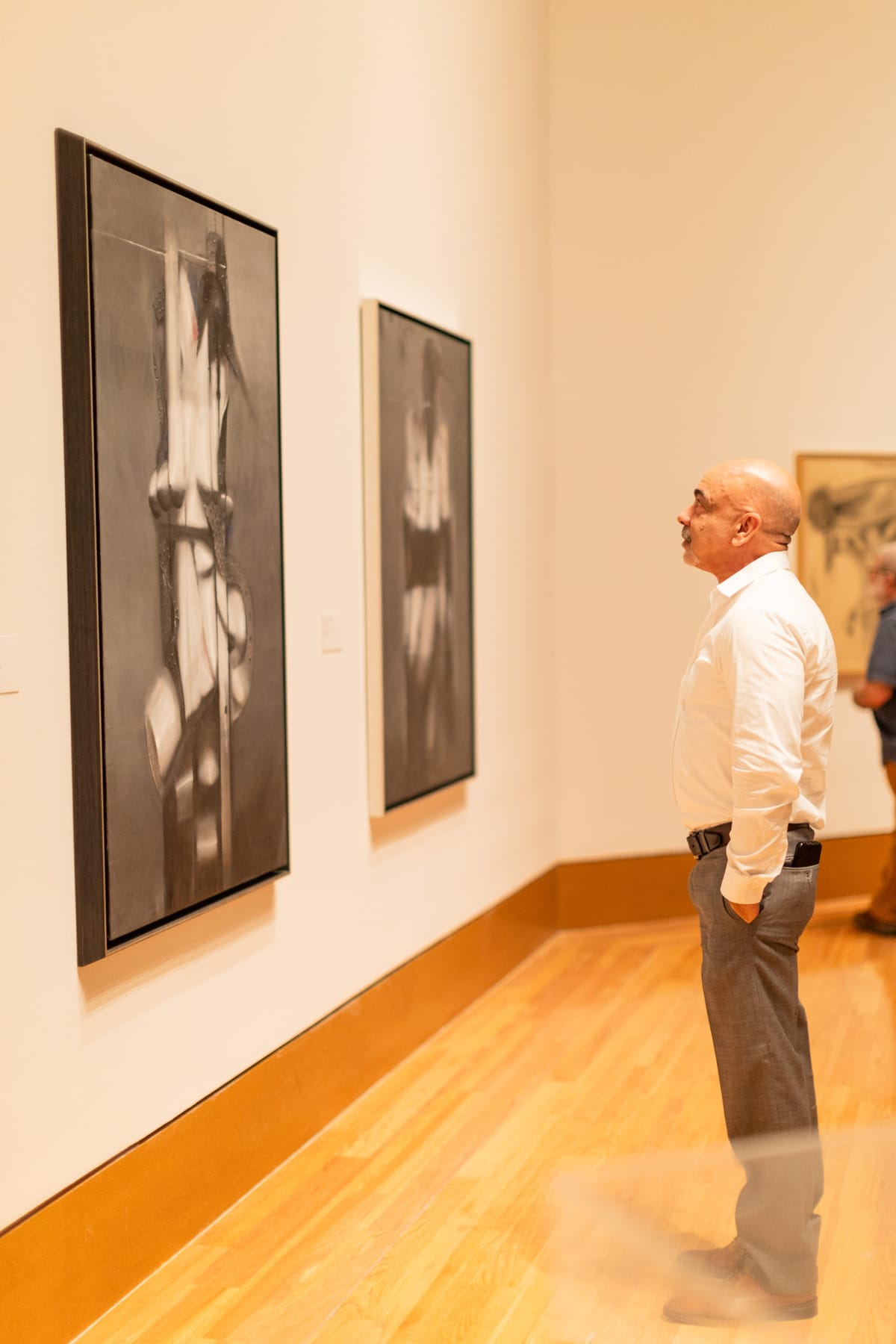
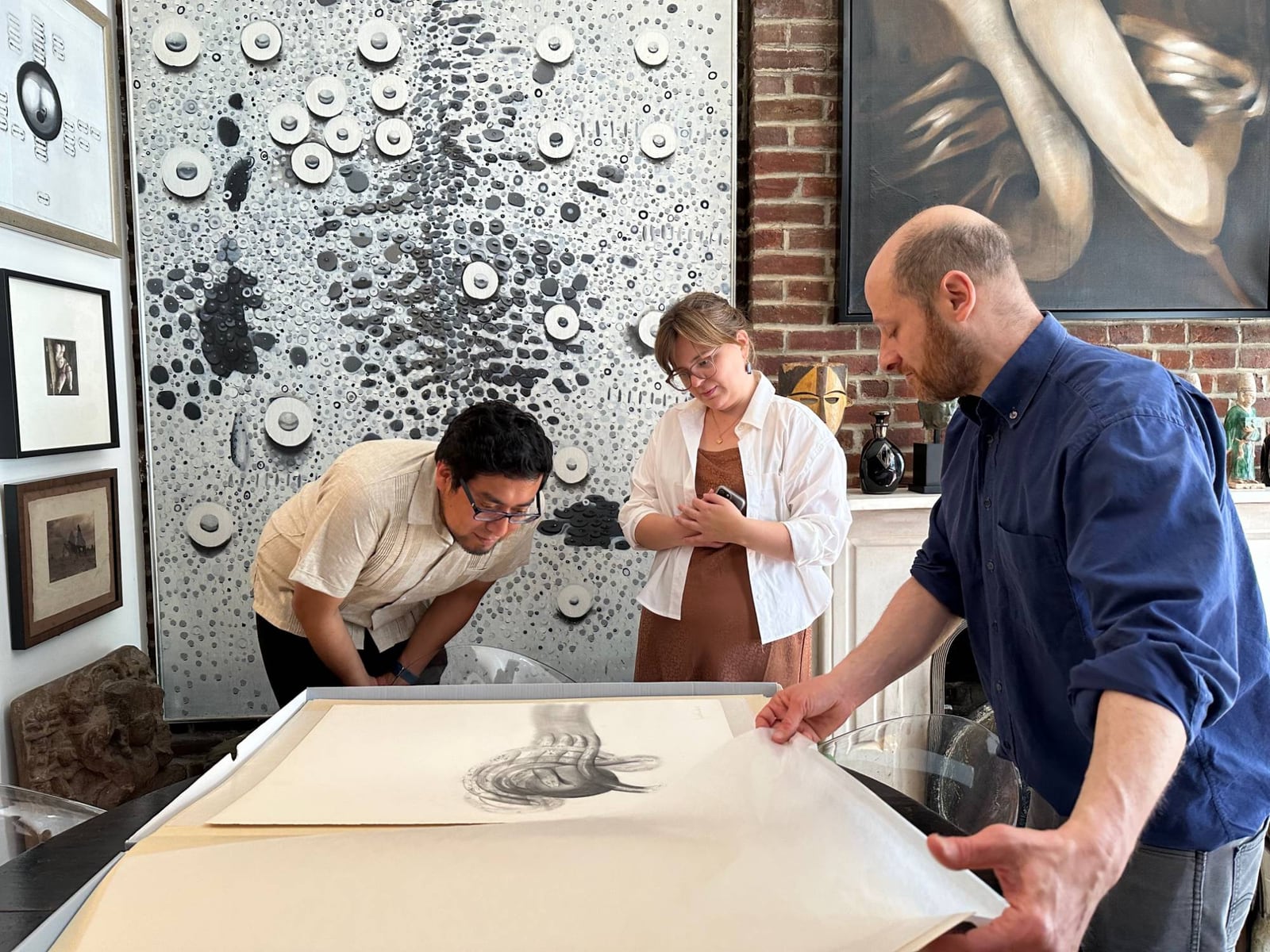
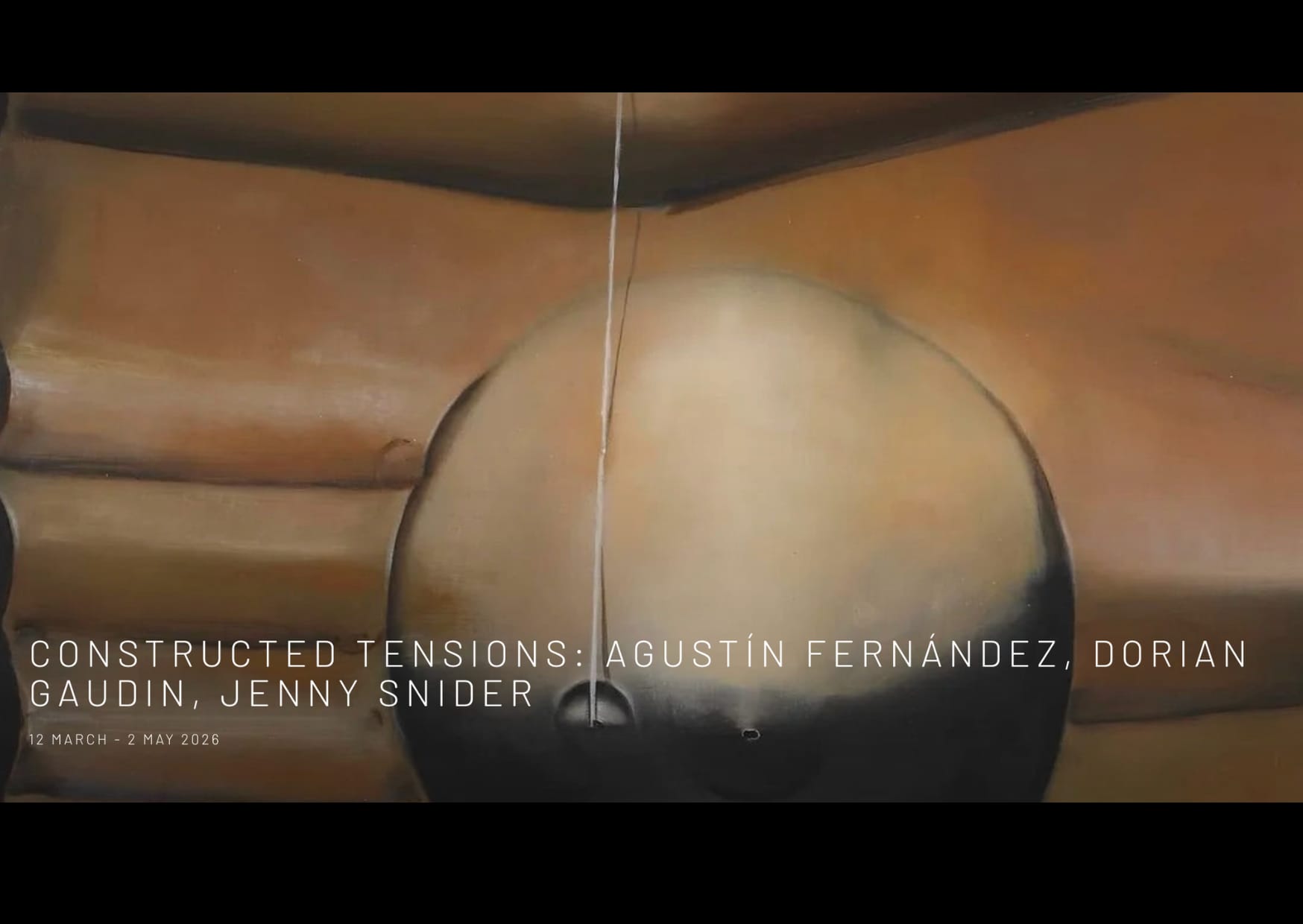
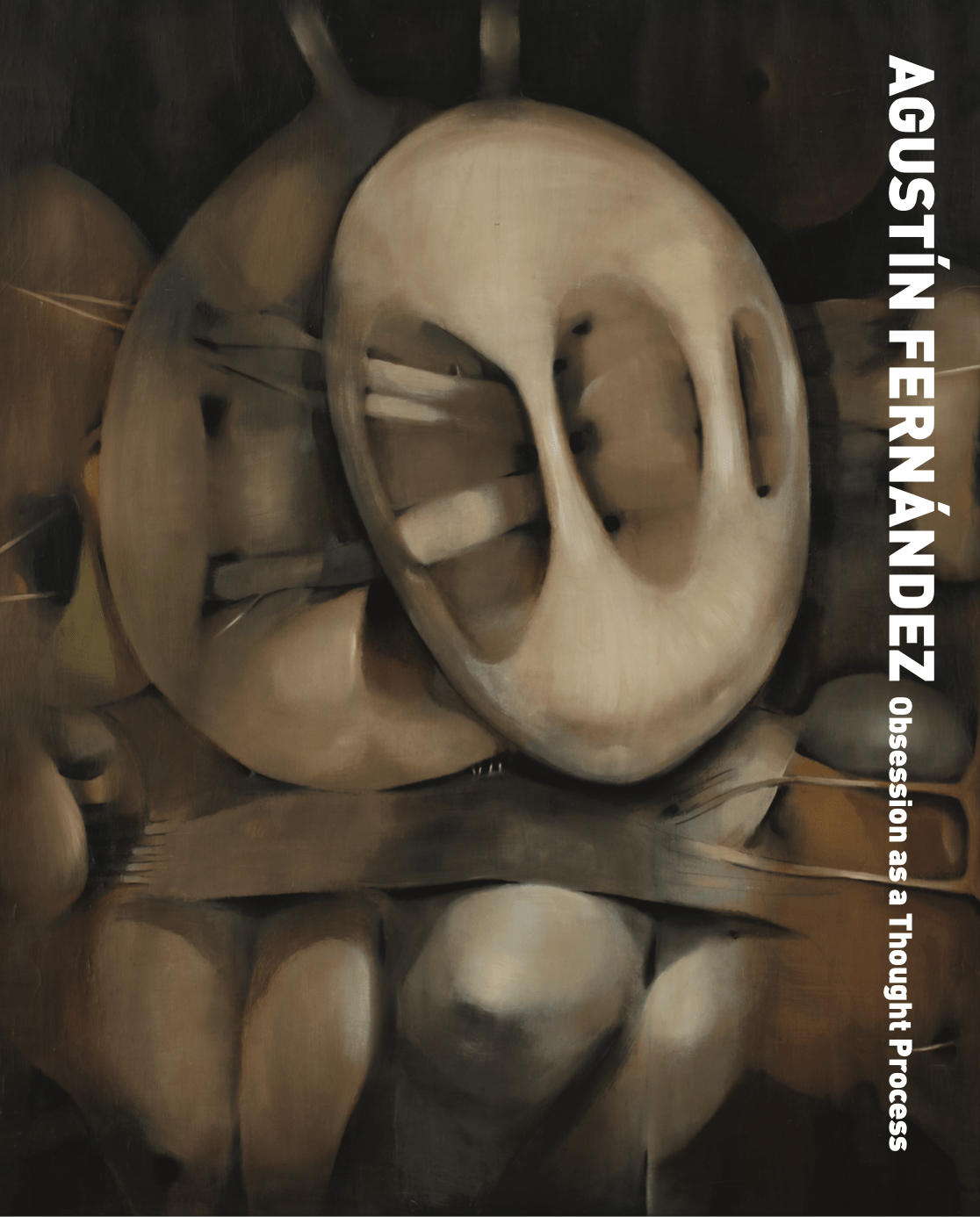
Fernández cultivated an idiosyncratic visual language distilled through the erotics of desire and vulnerability, provocatively ratcheted up through contact first with the post-war Surrealist circle in Paris and, starting in 1972, with the gritty counterculture of downtown New York. The trajectory of his career, from the lyrical exuberance of his early work in pre-Revolutionary Havana to the coolly sadistic armored plates of later years, suggests a rich assimilation of the artist’s Cuban inheritance and identity with the conceptual sophistication of the contemporary art world. Working betwixt and between more familiar currents of Latin American abstraction and nationalist paradigms, Fernández charted a sui generis course, and his oeuvre speaks subtly both to the condition of exile and to the canny perseverance of Surrealist tropes into the postmodern landscape.
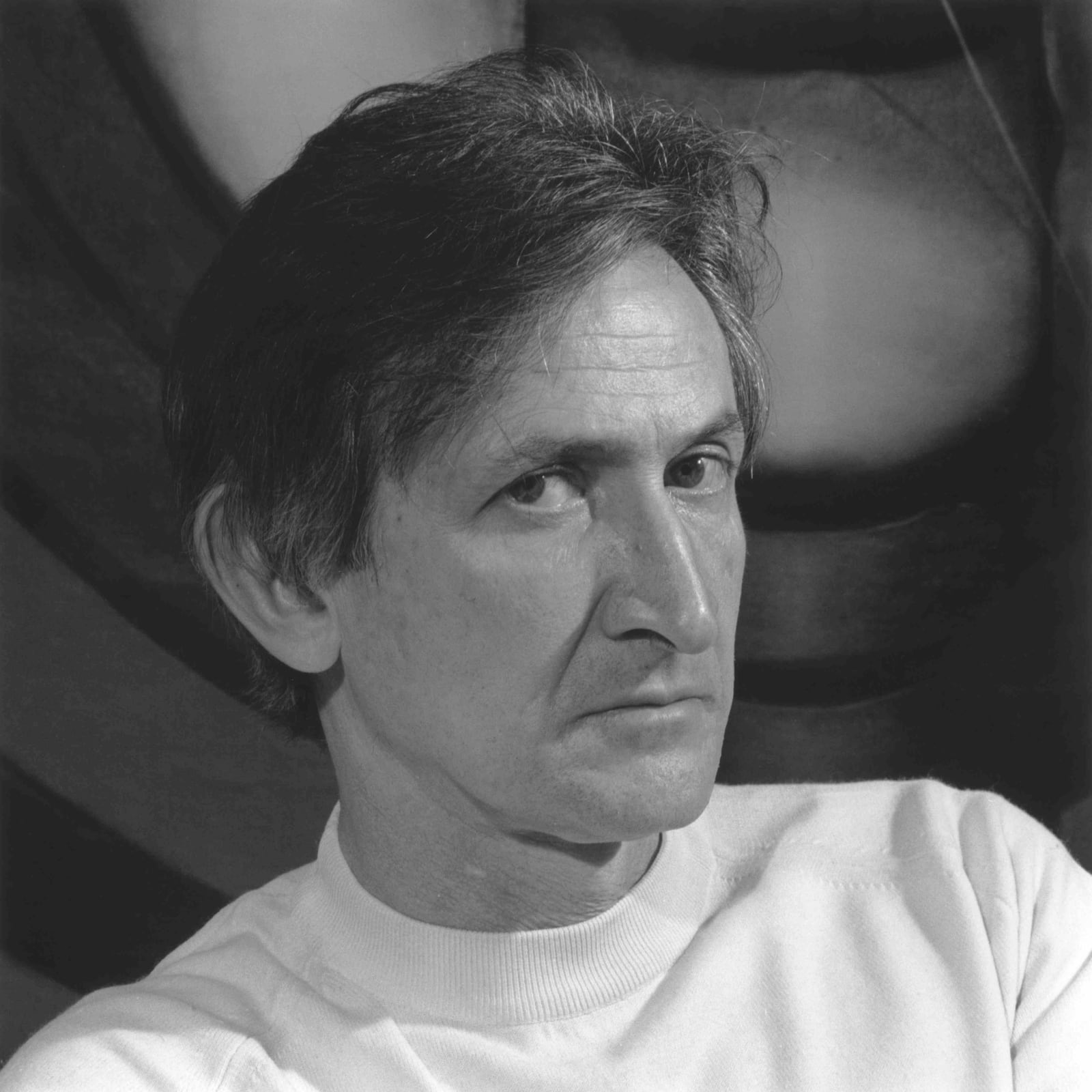
Artist portrait: Robert Mapplethorpe © Robert Mapplethorpe Foundation
“The absence of anecdote has led some to consider me an abstract painter. The skin of my painting has compelled others to proclaim me classical. Yet others have dubbed me a realist because of my precision. Instead, I simply consider myself a painter, that is what I am.”
Agustín Fernández